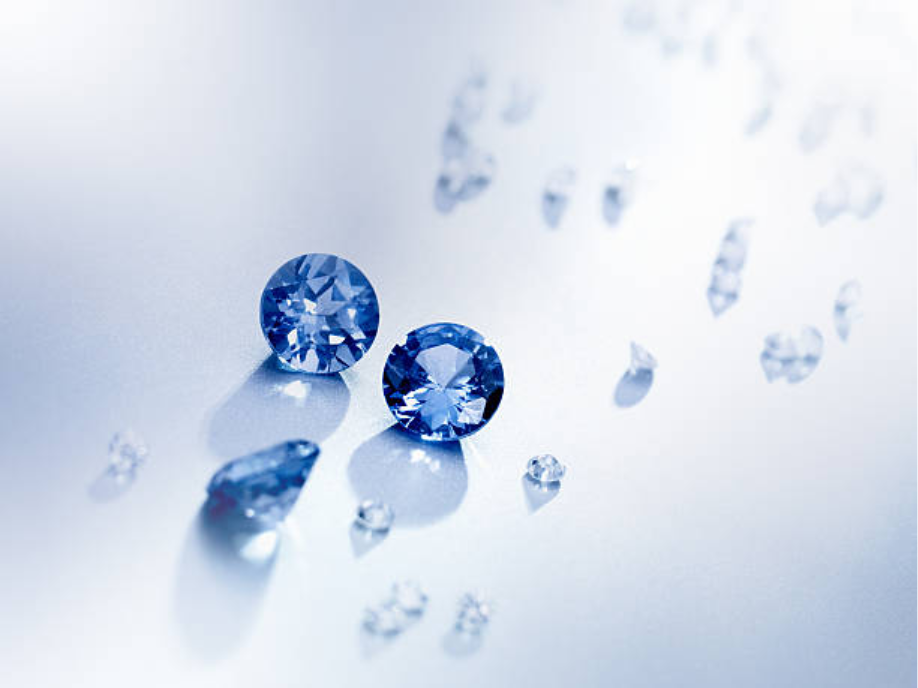
Selling a fancy coloured diamond is not the same as selling a traditional white diamond. These stones are rare, highly individual, and valued according to a specialised set of criteria that many private sellers and jewellers are unfamiliar with. Colour strength, natural origin, clarity, and rarity all play a role, and misunderstanding any of these factors can lead to unrealistic expectations or undervaluation.
Unlike standard diamonds, fancy coloured diamonds are assessed primarily for their colour rather than the absence of it. Market demand varies significantly between colours, intensities, and sizes, and pricing is influenced by global supply constraints rather than mass-market benchmarks. This makes informed guidance essential for anyone considering selling a fancy coloured stone.
At Celsteel, we work exclusively with natural, mined diamonds, including rare fancy coloured diamonds sourced responsibly and covered by the Kimberley Process. This guide is written specifically for individuals, estates, and jewellers looking to sell a fancy coloured diamond, rather than purchase one. Our aim is to explain how the market works, what genuinely affects value, and how sellers can approach the process with clarity, accuracy, and confidence.
Understanding Fancy Coloured Diamonds
Fancy coloured diamonds differ fundamentally from traditional white diamonds. Their value is driven by the presence, strength, and purity of colour rather than the absence of it, making them one of the most distinctive and fascinating categories within the diamond market.
A fancy coloured diamond is a natural diamond that displays a noticeable body colour outside the white or near-colourless range. These colours occur due to trace elements or structural changes during the diamond’s natural formation process deep within the Earth.
Unlike white diamonds, where minimal colour is preferred, fancy coloured diamonds are valued because of their colour, not despite it.
Common Natural Fancy Colours
Celsteel’s diamond range includes natural fancy colour diamonds — for example, the website highlights yellow, pink, and brown stones under their stock of fancy colours. Other natural fancy diamond colours, such as blue, green, orange, and violet, are recognised in the wider diamond market, although availability varies significantly due to rarity and individual provenance.
Rarity and Market Demand
Rarity plays a central role in pricing. Because fancy coloured diamonds occur in extremely limited quantities, especially in vivid and evenly distributed tones, market demand is closely tied to scarcity and collector interest.
Fancy coloured diamonds represent only a small percentage of all diamonds mined globally. Even within that category, stones with strong, evenly distributed colour are exceptionally rare.
Market demand is typically driven by:
- Private collectors
- High jewellery manufacturers
- Investors seeking rarity rather than volume
Because natural supply is finite, certain fancy colours maintain long-term desirability, although value always depends on the individual stone rather than colour alone.
Key Value Factors When Selling a Fancy Coloured Diamond
Understanding how professionals assess your diamond is essential before selling. Expert evaluation focuses on a combination of colour intensity, clarity, size, and natural origin to determine accurate market positioning.
While white diamonds prioritise cut and brightness, colour is the most important factor for fancy coloured stones.
Key Factors in Diamond Evaluation
The table below highlights important factors to consider when evaluating diamonds and their significance.
| Factor | Meaning | Why It Matters |
|---|---|---|
| Colour | Hue, tone, and saturation | Stronger, purer colour increases value |
| Clarity | Internal inclusions and surface features | Fewer visible inclusions are preferable |
| Carat weight | Overall size | Larger stones are rarer |
| Natural origin | Mined, untreated formation | Natural stones retain resale value |
Colour: Intensity and balance matter more than brightness.
Clarity: Minor inclusions are often accepted if colour quality is high.
Carat weight: Value does not increase linearly; rarity grows with size.
Whiter diamonds without noticeable colour are more desirable in white diamonds, but this principle does not apply to fancy coloured stones.
Certification and Uncertified Fancy Coloured Diamonds
Certification can provide additional reassurance and documentation, although it is not always essential. Experienced specialists are fully capable of evaluating both certified and un-certified stones with precision and confidence.
Laboratory reports from organisations such as GIA can document colour origin and grading. However, many fancy coloured diamonds, particularly older stones and estate pieces, are un-certified.
Experienced buyers can assess:
- Whether colour is natural or treated
- Relative colour grade and saturation
- Market value without formal certification
At Celsteel, our expertise allows us to accurately evaluate both certified and un-certified fancy coloured diamonds, ensuring sellers are not excluded due to missing documentation.
The Selling Process: What to Expect
Selling a fancy coloured diamond typically follows a clear and transparent process designed to ensure accuracy, fairness, and confidence at every stage.
Typical Steps When Selling
- Initial evaluation
Assessment of colour, clarity, size, and natural origin. - Market context review
Consideration of current demand for that specific colour. - Professional appraisal (optional)
Independent valuations can be useful but are not mandatory. - Offer and discussion
Based on rarity, quality, and prevailing market conditions. - Completion
Secure transaction with clear documentation.
Depending on the stone, steps may be simplified or reordered.
Natural vs Lab-Grown Coloured Diamonds
For sellers, understanding the distinction between natural and lab-grown coloured diamonds is essential, as market behaviour, rarity, and long-term value differ significantly between the two.
Key Differences
| Aspect | Natural Coloured Diamonds | Lab-Grown Coloured Diamonds |
|---|---|---|
| Resale value | Depends on rarity and quality | RESALE VALUE: NONE |
| Supply | Finite | Unlimited |
| Environmental impact | Varies by mining source | High energy use and material input |
| Emotional value | Strong cultural and historical significance | Limited emotional appeal |
Lab-grown diamonds are often described as ethical, but production requires significant energy and specialised materials. Their unlimited supply removes scarcity, which eliminates meaningful resale value.
Celsteel works exclusively with natural, mined diamonds covered by the Kimberley Process and does not sell laboratory-grown diamonds.
Why Expertise Matters When Selling Fancy Coloured Diamonds
Fancy coloured diamonds require specialist knowledge and careful assessment. Working with experienced professionals ensures accurate evaluation, ethical handling, and informed market guidance.
Celsteel is:
- A founder member of the International Coloured Gemstones Association
- A member of the National Association of Jewellers
- A member of the Gemmological Association of Great Britain
These affiliations reflect professional standards, technical expertise, and ethical sourcing practices when handling rare coloured stones.
Our work with natural and fancy coloured diamonds is outlined in more detail on our
diamonds page, which explains the types of stones we specialise in.
Market Trends for Fancy Coloured Diamonds
Awareness of current market conditions allows sellers to approach the process strategically, with a clear understanding of demand patterns and buyer priorities.
Recent years have shown:
- Continued interest in rare colours such as pink and blue
- Greater emphasis on natural origin and provenance
- Clear separation between natural and lab-grown markets
While prices fluctuate, rarity-driven stones often retain demand over time.
Conclusion
Selling a fancy coloured diamond requires specialist understanding of colour, rarity, and market dynamics. Each stone is unique, and value depends on a combination of natural characteristics rather than a single factor.
At Celsteel, we believe informed sellers make better decisions. By combining gemmological expertise with market knowledge, we provide accurate assessments of fancy coloured diamonds, whether certified or not, always with clarity and transparency.
If you would like to discuss selling a fancy coloured diamond or understand your options, please visit our Contact Us page to speak with our team.
Frequently Asked Questions
Yes. While certification can help, experienced buyers can accurately assess un-certified stones.
Value depends on colour rarity, quality, size, and demand rather than colour alone.
No. Lab-grown diamonds have no meaningful secondary market due to unlimited supply.
Once assessed, selling can often be completed efficiently depending on the stone.

