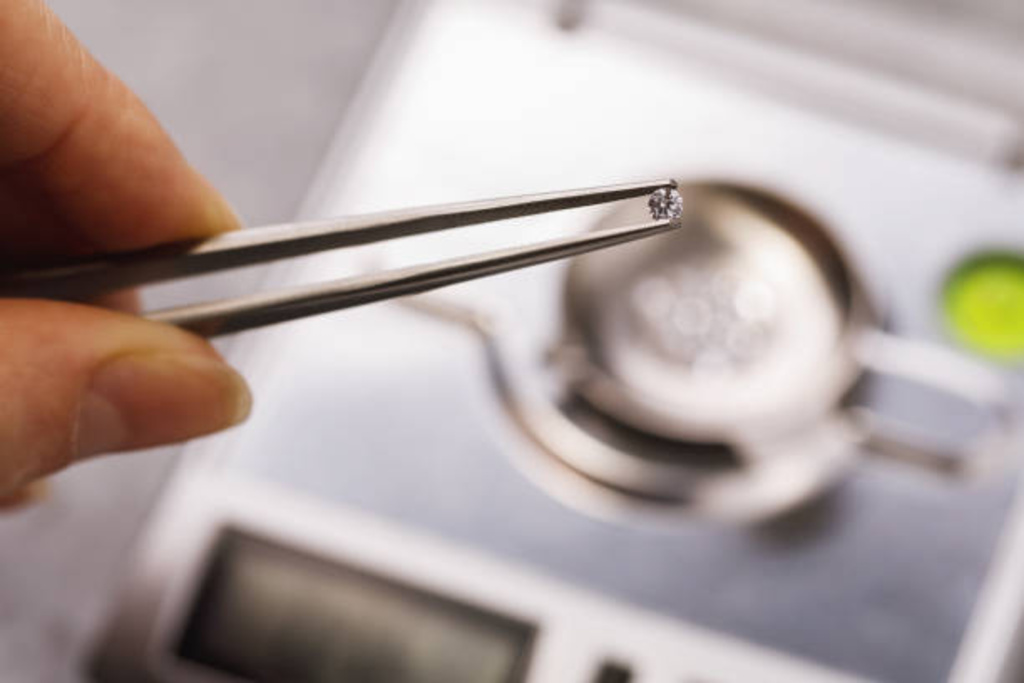
Diamonds have fascinated humans for centuries, celebrated for their beauty, rarity, and enduring value. But not all diamonds are created equal. Today, buyers and sellers often encounter two types: natural diamonds, formed deep within the Earth over millions of years, and laboratory-grown diamonds, produced in controlled environments using advanced technology. Understanding the differences between them is essential, whether you’re investing in a piece or looking to sell diamonds for cash.
At Celsteel, we understand that diamonds are more than just precious stones, they represent beauty, rarity and value. For both buyers and sellers, knowing the difference between natural and lab-grown diamonds is crucial. This knowledge helps you make informed decisions, whether you want to sell diamonds for cash or invest in a piece with long-term value.
In this guide, we’ll explore natural diamonds vs lab-grown diamonds, discuss mined and conflict-free diamonds, examine the ethical implications of diamond sourcing and explain why natural diamonds continue to hold unique value. Whether you are a collector, investor, or simply looking to sell diamonds for cash, understanding these distinctions can help ensure the best outcome.
Understanding Natural Diamonds
Natural diamonds are created over millions of years deep within the Earth. Their formation process makes them rare, durable, and highly valued in the market.
Formation Process
Natural diamonds originate from carbon deposits in the Earth’s mantle. Over 1–3 billion years, heat and pressure crystallise these carbon atoms into diamonds. These diamonds are then brought to the Earth’s surface through volcanic activity, where they are eventually mined. This long and complex formation process makes natural diamonds both rare and unique.
Characteristics of Natural Diamonds
- Rarity: Each diamond has a unique chemical composition and crystal structure, meaning no two diamonds are exactly alike.
- Value: The rarity and long formation period contribute to higher market value.
- Durability: With a 10 on the Mohs hardness scale, diamonds are ideal for jewellery and long-term investment.
- Ethical Considerations: Conflict-free certification ensures diamonds are mined responsibly, avoiding exploitation or funding violence.
Mined vs Conflict-Free Diamonds
Mined diamonds come directly from natural deposits, but not all are conflict-free. Conflict-free diamonds are verified under international schemes, such as the Kimberley Process, to ensure that their trade does not finance violence or unethical practices. Ethical sourcing adds value and peace of mind for buyers and sellers alike.
Laboratory-Grown Diamonds
Lab-grown diamonds offer an affordable, ethical alternative to natural diamonds and are virtually identical in appearance.” Disagree with ethical alternative!! They could be being mass produced in China and India pumping out greenhouse gases using! There is so much greenwashing when it comes to Labs, it’s unreal. Rare earth metals are used in making machines and enormous amounts of electricity. Also, economies such as Botswana have financed Healthcare and education with their natural resources, labs finance people’s pockets
How Lab-Grown Diamonds Are Made
High Pressure High Temperature (HPHT): Simulates the Earth’s natural conditions of heat and pressure to produce diamonds.
Chemical Vapour Deposition (CVD): Uses carbon-rich gas to grow diamonds layer by layer in a laboratory setting.
Lab-grown diamonds offer an affordable, ethical alternative to natural diamonds and are virtually identical in appearance.
Key Differences Between Natural and Lab-Grown Diamonds
| Feature | Natural Diamonds | Lab-Grown Diamonds |
| Formation Time | Millions to billions of years | Weeks to months |
| Rarity | Rare | Widely available |
| Value | High resale value depends on what you have. | Typically, there is no resale value at all. |
| Ethical Concerns | Not anymore. 99% of diamonds now that would be traded are covered by the Kimberley Process, so this isn’t really an issue. | Yes, but also awash with their own issues. As per above, mining is still done to make the machines they are grown in. |
While lab-grown diamonds can be a practical choice, natural diamonds continue to hold higher investment potential and emotional significance.
Why Natural Diamonds Hold Value
Natural diamonds remain highly valued for several reasons, making them a preferred choice for buyers and sellers looking to sell diamonds for cash.
Rarity and Investment Potential
Natural diamonds’ rarity makes them a desirable investment. Unlike lab-grown diamonds, which can be produced at scale, natural diamonds are finite and cannot be replicated. Their scarcity ensures that they retain value over time, making them a solid option for collectors and investors.
Cultural and Emotional Significance
Natural diamonds are often associated with life’s most important moments – engagements, anniversaries and family heirlooms. This emotional attachment adds intrinsic value beyond the physical attributes of the diamond itself.
Ethical Sourcing Matters
With conflict-free diamonds, buyers can be confident that their purchase contributes positively to local communities and avoids unethical practices. Ethical sourcing increases trust and market demand, which can enhance the value of natural diamonds when selling.
Selling Diamonds: Natural vs Lab-Grown
Understanding how natural and lab-grown diamonds differ is essential for sellers. Natural diamonds usually command higher prices because of their rarity and desirability. Lab-grown diamonds, though visually identical, may not fetch the same resale value. No resale value at all. literally just the scrap metal of the mounting and not actually visually identical either.
Tips for Sellers
- Professional Appraisal: Always have your diamond evaluated by a certified gemologist.
- Check Certification: Natural diamonds with certificates from reputable labs such as GIA or IGI fetch better prices.
- Stay Informed on Market Trends: Knowing current trends in cash for diamond jewellery or diamonds for cash can help maximise returns.
- Presentation: Clean and well-maintained diamonds often sell for more.
Services for Selling Diamonds
At Celsteel, we provide trusted options for those looking to sell diamonds for cash, including:
- Cash for gold diamonds
- Cash for diamond rings
- Cash for diamond jewellery
Our team ensures a smooth process with fair pricing, ethical handling and expert advice. Learn more about our services here.
How to Determine the Type of Diamond You Have
It’s not always easy to identify whether a diamond is natural or lab grown. Here are ways to verify authenticity:
- Certification: Ensure your diamond comes with an official certificate from a recognised lab.
- Gemological Testing: Professional testing can identify trace elements and growth patterns unique to natural diamonds.
- Expert Evaluation: Only a trained gemologist can accurately distinguish between natural and lab-grown diamonds using specialised equipment.
Having proper documentation can also significantly impact resale value when you sell diamonds for cash.
Factors That Determine Diamond Value
A diamond’s value depends on several key factors, commonly known as the Four Cs:
Carat – The weight of the diamond, influencing size and price.
Cut – Determines how well the diamond reflects light, affecting brilliance.
Clarity – Measures inclusions and imperfections; fewer flaws increase value.
Colour – Colourless diamonds are generally more valuable, though fancy colours may have niche appeal.
Other factors include certification, provenance and market demand. For sellers, understanding these factors ensures you get the best value for your diamond.
Ethical Considerations in Diamond Trading
The diamond industry has increasingly prioritised ethical practices. Conflict-free diamonds adhere to strict international regulations, ensuring diamonds are sourced responsibly. Lab-grown diamonds provide an alternative for ethically conscious buyers, offering transparency and sustainability.
Consumers today are more informed about the origins of their diamonds. Choosing conflict-free or ethically sourced diamonds not only ensures peace of mind but can also influence resale prices positively.
Choosing Between Natural and Lab-Grown Diamonds
Here’s a quick comparison to guide your choice:
| Factor | Natural Diamonds | Lab-Grown Diamonds |
| Investment | High potential for long-term value | No resale value |
| Affordability | More expensive | Cheap as made in millions |
| Ethics | Can be conflict-free | Conflict-free by default but use mining rare earth metals to make the machines |
| Emotional Significance | Strong cultural and emotional value | Low emotional appeal as costs less than a dinner out |
Whether buying or selling, natural diamonds generally offer stronger long-term value. For those looking to sell diamonds for cash, natural diamonds often fetch higher returns.
Conclusion
Understanding the differences between natural and lab-grown diamonds is essential for buyers and sellers. Natural diamonds, with their rarity and long-term value, remain highly sought after. Lab-grown diamonds offer affordability but may not retain the same investment potential.
At Celsteel, we provide a professional and transparent process for those wishing to sell diamonds for cash. Our team ensures ethical handling, accurate valuations and expert guidance. Learn more about our cash for diamonds services to get started.
If you’re ready to sell your diamonds or require expert guidance, Celsteel is here to help. Our team ensures a smooth, ethical and profitable process. Contact us today.
FAQs
How can I tell if my diamond is natural or lab-grown?
Professional gemological testing and certification from recognised labs can confirm a diamond’s origin.
Are lab-grown diamonds less ethical?
Lab-grown diamonds are conflict-free by default. Natural diamonds can also be sourced responsibly.
Do natural diamonds retain value better than lab-grown ones?
Yes, due to their rarity, long formation process, and market demand.
Can I sell both natural and lab-grown diamonds for cash?
No, we only buy natural diamonds, which generally fetch higher prices.
What documents are required to sell my diamond for cash?
Certificates, appraisals, identification and purchase receipts ensure accurate valuation.

