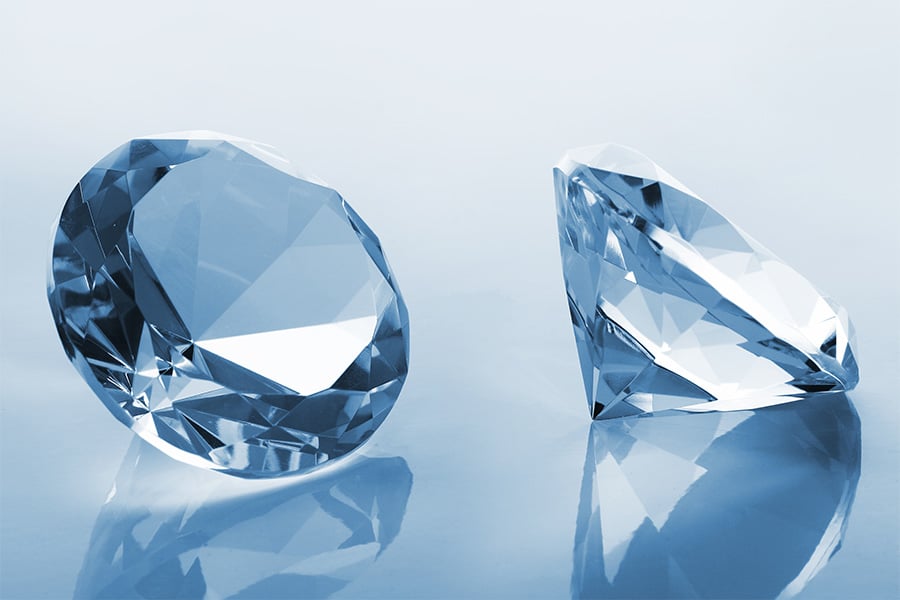
If you’ve ever searched for sell my diamonds for cash, you may have wondered how professional diamond buyers determine the value of a stone. While many people assume that size alone dictates value, experienced buyers assess several important factors before making an offer.
For owners of high-value natural diamonds, understanding these criteria can help set realistic expectations and improve the selling experience. At Celsteel, we understand that sellers want transparency when presenting valuable jewellery, loose stones, or investment-grade diamonds. Whether you own certified VVS diamonds, rare D colour diamonds, or larger stones exceeding one carat, knowing what buyers evaluate can help you prepare before seeking a professional appraisal.
Why Diamond Buyers Assess More Than Just Size
Before making an offer, buyers conduct a detailed assessment to determine market desirability, rarity and resale potential.
Several factors influence value, particularly in today’s secondary diamond market.
The Difference Between Retail Price and Resale Value
Many sellers are surprised to learn that resale value differs from original retail pricing.
Retail prices often include:
- Manufacturing costs
- Branding premiums
- Retail overheads
- Marketing expenses
When evaluating a diamond, buyers focus primarily on current market demand and the characteristics of the stone itself rather than the original purchase price.
For this reason, two diamonds purchased for similar amounts may receive very different offers when sold years later.
Market Demand Influences Offers
Not all diamonds attract the same level of buyer interest.
Current demand tends to favour:
- Natural diamonds
- GIA-certified diamonds
- 1+ Carat Diamonds
- High colour grades
- High clarity grades
Larger investment-grade stones often attract stronger buyer interest because they are rarer and more desirable in the luxury market.
Certification Increases Buyer Confidence
Independent certification provides buyers with objective information regarding a diamond’s characteristics.
Recognised laboratories may verify:
- Carat weight
- Colour grade
- Clarity grade
- Cut quality
Certification helps reduce uncertainty and supports accurate valuation assessments.
The Four Cs Buyers Examine Closely
The internationally recognised Four Cs remain central to most diamond valuations.
Understanding these characteristics can help explain why some stones command significantly higher offers than others.
Carat Weight
Carat weight measures a diamond’s size and contributes significantly to value.
Buyers generally pay close attention to:
- Stones above 1.00ct
- Rare larger diamonds
- Investment-grade diamonds
- Exceptional single stones
While smaller diamonds may still hold value, larger stones often attract more competitive offers due to their scarcity.
Colour Grade
Colour refers to the absence of colour within a white diamond.
Diamonds are graded from D to Z:
| Colour Grade | Description |
|---|---|
| D | Completely colourless |
| E-F | Colourless |
| G-H | Near colourless |
| I-J | Slight colour presence |
| K-Z | Increasing visible colour |
D colour diamonds are among the rarest and most sought-after stones in the market.
Because of their exceptional colourlessness, they often command premium offers when combined with strong clarity and certification.
Clarity Grade
Clarity measures the presence of internal inclusions and external blemishes.
Common clarity grades include:
- FL (Flawless)
- IF (Internally Flawless)
- VVS1-VVS2 (Very Very Slightly Included)
- VS1-VS2 (Very Slightly Included)
- SI1-SI2 (Slightly Included)
High-quality VVS diamonds are particularly attractive because inclusions are extremely difficult to detect, even under magnification.
This rarity often contributes positively to value assessments.
Why Certification Matters When Selling Diamonds
Certification plays a significant role in determining both confidence and pricing.
The following factors explain why buyers place considerable emphasis on diamond grading reports.
Independent Verification
A recognised grading report provides unbiased documentation of a diamond’s characteristics.
Information typically includes:
- Exact carat weight
- Colour grade
- Clarity grade
- Cut assessment
- Measurements
This allows buyers to evaluate a diamond accurately without relying solely on visual inspection.
Faster Valuation Process
Certified diamonds often move through the valuation process more efficiently.
Benefits may include:
- Reduced uncertainty
- Faster assessments
- Improved transparency
- Easier market comparison
These advantages can help streamline the selling experience.
Greater Market Appeal
Luxury buyers frequently prioritise certified stones because they provide confidence regarding authenticity and quality.
Diamonds with recognised certification often attract stronger interest in the secondary market than uncertified equivalents.
What Happens During a Diamond Appraisal London Appointment?
If you are considering a diamond appraisal London service, understanding the process can help you prepare.
Professional assessments typically involve multiple stages.
Initial Examination
The first step involves a physical review of the diamond.
Buyers may assess:
- Overall condition
- Shape
- Carat weight
- Visible inclusions
- Mounting condition
This preliminary inspection helps establish the scope of the valuation.
Verification of Documentation
If certification is available, buyers will compare the stone against the accompanying grading report.
They may verify:
- Laser inscriptions
- Measurements
- Grading details
- Authenticity markers
Documentation can significantly support the appraisal process.
Market-Based Valuation
After examination, buyers consider current market conditions.
Valuation factors often include:
- Demand for similar diamonds
- Current wholesale pricing
- Rarity
- Resale potential
The final offer reflects both quality characteristics and prevailing market demand.
Characteristics That Often Increase Offers
While every diamond is unique, certain qualities consistently attract stronger interest.
These characteristics are particularly relevant for luxury and investment-grade stones.
Diamonds Above One Carat
Diamonds exceeding 1.00ct are generally more desirable due to their rarity.
Many professional buyers prioritise:
- 1.00ct+ diamonds
- 2.00ct+ diamonds
- Exceptional larger stones
The supply of larger natural diamonds remains limited compared with smaller stones.
High Colour and Clarity Combinations
Exceptional combinations of colour and clarity often command premium valuations.
Examples include:
- D colour VVS diamonds
- E colour IF diamonds
- F colour VVS diamonds
Such combinations are highly sought after within the luxury diamond market.
Natural Diamonds with Strong Provenance
Natural diamonds continue to hold stronger resale demand than many alternative diamond products.
Factors supporting value may include:
- Certification
- High-quality grading
- Desirable carat weight
- Strong market demand
Individual resale outcomes will always depend on current market conditions and the specific characteristics of the stone.
Common Factors That May Reduce Offers
Understanding potential limitations is equally important.
Not every diamond attracts the same level of buyer interest.
Lack of Certification
Uncertified diamonds may require additional assessment before valuation.
This can result in:
- Longer appraisal processes
- Greater uncertainty
- Additional verification requirements
Documentation often helps support stronger buyer confidence.
Lower Market Demand Segments
Current market conditions may affect demand for:
- Very small diamonds
- Commercial-grade stones
- Heavily included diamonds
- Lower colour grades
Demand fluctuates over time, influencing resale opportunities.
Damaged or Altered Stones
Chips, fractures or previous modifications can impact value.
Buyers carefully inspect:
- Surface condition
- Structural integrity
- Symmetry
- Overall appearance
Condition remains an important consideration during valuation.
Preparing Before You Sell My Diamonds for Cash
Taking a few practical steps before an appraisal can help ensure a smoother process, especially if you are planning to sell my diamonds for cash and want an accurate evaluation.
Preparation allows buyers to assess your diamond more efficiently. Having relevant documentation and understanding your diamond’s characteristics can also help streamline the appraisal process and support a more informed selling experience.
Gather Available Documentation
Helpful documents may include:
- Original certificates
- Purchase receipts
- Insurance valuations
- Previous appraisal reports
Documentation provides useful context during the evaluation process.
Clean the Diamond Carefully
A clean stone allows buyers to inspect its characteristics more accurately.
However, avoid aggressive cleaning methods that could damage the setting or stone.
Understand Current Market Conditions
Researching current market trends can help set realistic expectations regarding resale value.
Remember that:
- Retail value differs from resale value
- Market demand changes over time
- Quality characteristics influence offers significantly
Knowledge helps sellers approach the process with confidence.
Conclusion
If you are searching for sell my diamonds for cash, understanding what buyers evaluate before making an offer can help you navigate the process more effectively. Professional buyers assess factors such as certification, carat weight, clarity, colour, condition and current market demand to determine fair market value.
At Celsteel, we recognise that high-value natural diamonds require careful evaluation. Whether you own certified VVS diamonds, exceptional D colour diamonds, or larger investment-grade stones, understanding the valuation process can help you make informed decisions before seeking a professional appraisal.
For sellers interested in obtaining an assessment, you can learn more about our Cash for Diamonds service or request a valuation through our diamond quotation service.
Contact Us
For more information about selling high-value diamonds, please visit our Contact Us page.
FAQs
Certification often provides additional confidence and transparency, which can positively influence buyer interest and valuation accuracy.
VVS diamonds contain extremely minor inclusions that are difficult to detect even under magnification, making them highly desirable.
Yes. D colour diamonds are among the rarest colourless diamonds and are often sought after by luxury buyers and collectors.
A professional diamond appraisal London assessment can help you understand your diamond’s characteristics and provide useful information before seeking offers.

