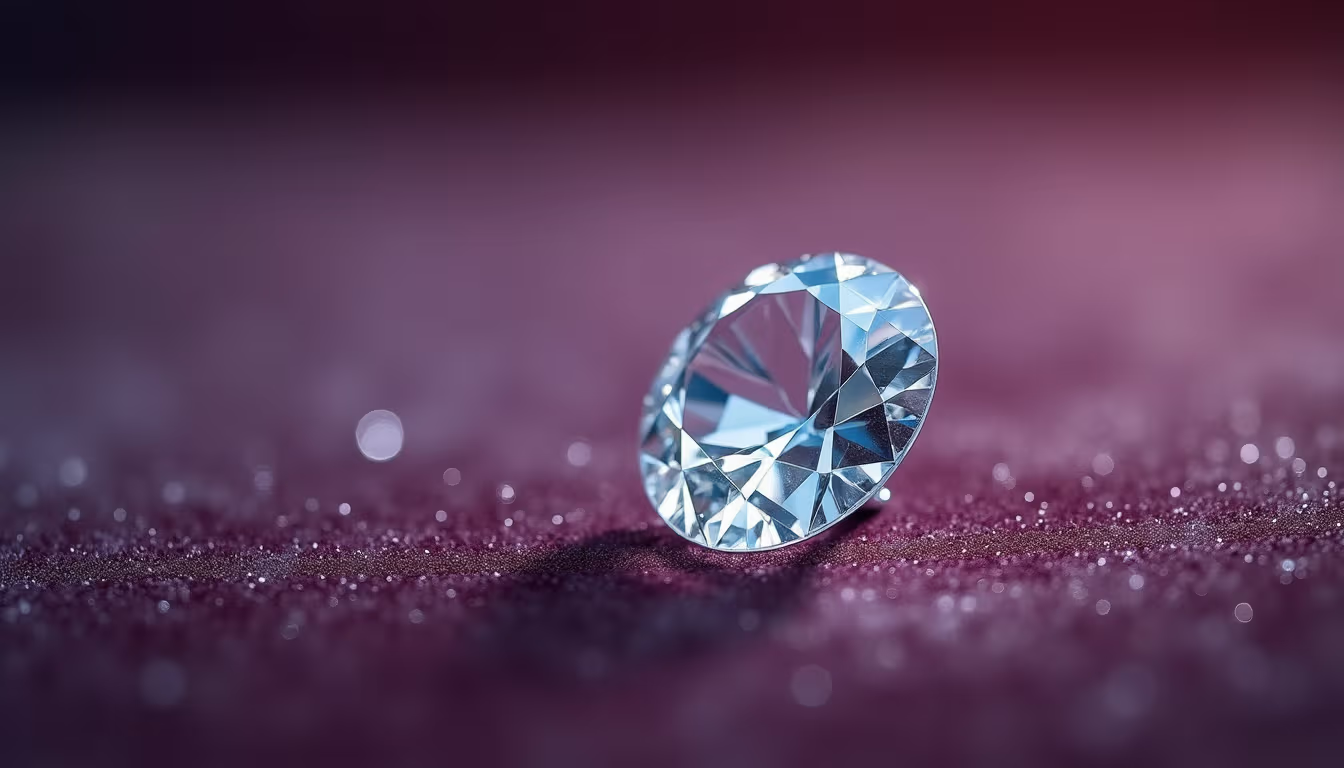
The market for high-value natural diamonds differs significantly from the market for smaller commercial-grade stones. When searching for cash for diamonds, owners of rare and investment-grade diamonds often discover that buyers place substantial emphasis on quality, certification, rarity and market demand rather than quantity alone.
Diamonds exceeding one carat, particularly those with exceptional colour and clarity grades, often attract greater attention from specialist buyers. At Celsteel, we understand that sellers of premium natural diamonds want clear information about how these valuable assets are evaluated. Whether you own certified VVS1 diamonds, sought-after D-F colour diamonds, or larger investment-quality stones, understanding what specialist buyers look for can help you prepare for the selling process.
Why Specialist Buyers Focus on High-Value Diamonds
Not all diamonds perform equally in the resale market. Specialist buyers often prioritise specific characteristics that indicate rarity and demand.
The following factors explain why larger, higher-grade diamonds tend to receive more attention.
Scarcity Creates Demand
Natural diamonds become increasingly rare as size and quality improve.
Particularly desirable characteristics include:
- Carat weights above 1.00ct
- High colour grades
- Exceptional clarity
- Strong certification
- Desirable cut quality
The combination of rarity and demand often contributes to stronger resale opportunities.
For this reason, buyers frequently focus on quality over quantity when assessing natural diamonds.
Investment-Grade Diamonds Attract Interest
Certain diamonds are considered more desirable due to their scarcity and long-term market appeal. These qualities can also influence offers from buyers specialising in cash for diamonds transactions.
Characteristics commonly associated with investment diamonds UK buyers seek include:
- Larger carat weights
- D-F colour grades
- VVS or IF clarity
- GIA certification
- Strong provenance
While resale values always depend on market conditions, these qualities are generally viewed favourably within the luxury diamond sector.
Market Demand Favours Premium Stones
Current market trends often place greater emphasis on exceptional natural diamonds rather than smaller commercial-grade stones.
Buyers may prioritise:
- Certified diamonds
- High-colour stones
- Rare clarity grades
- Significant single stones
This demand can influence the competitiveness of offers received.
Understanding the Characteristics Buyers Value Most
When evaluating luxury diamonds, buyers rely on internationally recognised grading standards.
Several characteristics play a direct role in determining desirability and marketability.
Carat Weight
Carat weight remains one of the most influential factors in diamond valuation.
Generally, buyers pay closer attention to:
- 1.00ct diamonds
- 2.00ct diamonds
- 3.00ct+ diamonds
- Rare large stones
The availability of larger natural diamonds decreases significantly as size increases, contributing to their scarcity.
This is one reason why diamonds above one carat often generate stronger interest among specialist purchasers.
Colour Grade
Colour measures the absence of colour within a white diamond.
The highest grades include:
| Grade | Description |
|---|---|
| D | Completely colourless |
| E | Colourless |
| F | Colourless |
D-F colour diamonds are highly sought after because they display exceptional whiteness and rarity.
Buyers often place a premium on stones within this colour range, particularly when paired with superior clarity.
Clarity Grade
Clarity refers to the number, size and visibility of internal inclusions and external blemishes.
Premium clarity grades include:
- FL (Flawless)
- IF (Internally Flawless)
- VVS1
- VVS2
High-quality VVS1 diamonds attract strong buyer interest because inclusions are extremely difficult to detect, even under magnification.
These characteristics can contribute significantly to overall desirability.
The Importance of Certification When Selling Diamonds
Certification is often one of the first factors specialist buyers review.
Independent grading reports provide valuable information that supports transparency and confidence.
Why Certification Matters
Recognised certification offers objective verification of a diamond’s characteristics.
Reports commonly include:
- Carat weight
- Colour grade
- Clarity grade
- Cut assessment
- Measurements
This information helps buyers evaluate a diamond consistently and accurately.
GIA Certification and Market Confidence
Many specialist buyers prefer diamonds accompanied by recognised grading reports.
Certification can help:
- Verify quality claims
- Reduce uncertainty
- Support valuation accuracy
- Improve marketability
A certified diamond generally provides more information than an uncertified stone.
Documentation Supports Valuation
In addition to certification, supporting documents may assist during the assessment process.
Useful documentation can include:
- Original purchase records
- Insurance valuations
- Previous appraisals
- Laboratory reports
These documents help establish a clearer understanding of the diamond’s history and characteristics.
What Specialist Buyers Assess During Evaluation
The assessment process involves more than simply weighing the stone.
Buyers conduct a detailed review to determine market desirability and resale potential.
Physical Inspection
An initial inspection focuses on the overall condition of the diamond.
Areas assessed may include:
- Surface condition
- Symmetry
- Cut proportions
- Visible inclusions
Condition remains an important factor in determining buyer interest.
Verification of Grading Information
If certification is available, buyers compare the stone against the grading report.
Verification may include:
- Measurements
- Inscriptions
- Colour characteristics
- Clarity observations
This process helps confirm consistency between the stone and accompanying documentation.
Current Market Analysis
Specialist buyers also evaluate prevailing market conditions.
Factors considered may include:
- Supply levels
- Demand for similar stones
- Wholesale market trends
- Luxury jewellery demand
The final offer reflects both the diamond’s characteristics and current market conditions.
Comparing Characteristics That Influence Offers
The table below highlights qualities commonly associated with stronger buyer interest.
| Factor | Characteristics Often Favoured by Specialist Buyers |
|---|---|
| Carat Weight | 1.00ct and above |
| Colour | D-F Colour Grades |
| Clarity | VVS1, VVS2, IF, FL |
| Certification | GIA and recognised laboratory reports |
| Origin | Natural diamonds |
| Condition | Excellent structural condition |
| Market Demand | High-demand luxury categories |
While every diamond is unique, these characteristics often align with stronger resale demand.
Step-by-Step Guide to Selling High-Value Diamonds
Understanding the process can help sellers prepare effectively before approaching specialist buyers.
Step 1: Gather Documentation
Before arranging an appraisal, collect all available records.
Examples include:
- Certification reports
- Purchase receipts
- Previous valuations
- Insurance documentation
Documentation helps support accurate assessments.
Step 2: Arrange Professional Evaluation
Professional assessments provide insight into a diamond’s characteristics and current market position.
The evaluation process typically examines:
- Colour
- Clarity
- Carat weight
- Cut quality
This information forms the basis of the buyer’s offer.
Step 3: Review the Offer Carefully
Offers are generally based on:
- Market demand
- Certification
- Quality characteristics
- Resale potential
Understanding these factors allows sellers to make informed decisions.
Factors That Can Affect Resale Performance
Even among luxury diamonds, certain characteristics may influence buyer demand.
Understanding these considerations helps establish realistic expectations.
Smaller Stones May Receive Different Market Responses
While all diamonds are assessed individually, larger stones often attract stronger demand.
This is largely due to:
- Greater rarity
- Collector interest
- Investment appeal
Market conditions can influence how different sizes perform.
Lower Colour or Clarity Grades
Diamonds with lower grades may still hold value, but buyer demand may differ.
Examples include:
- Visible inclusions
- Lower colour grades
- Commercial-quality stones
These characteristics can influence market positioning and resale opportunities.
Absence of Certification
Without certification, buyers may require additional verification before making an offer.
This can increase uncertainty and affect the valuation process.
Independent grading reports help provide greater transparency.
Why High-Value Natural Diamonds Continue to Attract Specialist Buyers
The luxury diamond market remains focused on rarity, quality and desirability.
Exceptional natural diamonds continue to attract attention from collectors, investors and specialist buyers alike.
Rarity Remains Important
Large, high-quality natural diamonds remain inherently scarce.
Their limited availability contributes to ongoing demand in certain market segments.
Luxury Market Demand
Many luxury buyers seek:
- Exceptional colour
- High clarity
- Certified stones
- Rare carat weights
These characteristics often align with premium market demand.
Stronger Interest in Exceptional Stones
Specialist buyers frequently focus on diamonds that combine multiple premium attributes.
Examples include:
- 1.50ct+ certified diamonds
- D-F colour diamonds
- VVS1 diamonds
- Investment-grade natural stones
These combinations often attract the strongest interest within the luxury resale market.
Conclusion
When exploring cash for diamonds opportunities, owners of high-value natural diamonds benefit from understanding what specialist buyers assess before making an offer. Factors such as certification, carat weight, colour, clarity, rarity and current market demand all contribute to valuation outcomes.
At Celsteel, we recognise the unique characteristics that make larger, investment-grade diamonds attractive within the luxury market. Whether you own certified VVS1 diamonds, exceptional D-F colour diamonds, or other investment diamonds UK collectors value, understanding the evaluation process can help you approach the selling journey with greater confidence.
To learn more about our Cash for Diamonds service or request a valuation through our online quotation service, additional information is available on our website.
Contact Us
For further information about selling high-value natural diamonds, please visit our Contact Us page.
FAQs
Diamonds above 1.00ct with strong colour, clarity and recognised certification often attract the greatest buyer interest.
VVS1 diamonds contain extremely minor inclusions that are difficult to detect even under magnification, making them highly sought after.
Yes. D-F colour diamonds are among the highest colour grades available and are valued for their exceptional colourlessness.
Certification can improve transparency and buyer confidence, which may support stronger market interest.
Many investment diamonds UK buyers focus on larger natural diamonds, recognised certification, high colour grades and superior clarity characteristics.

